Lunar surface infrastructure

Building the lunar surface stack

Cislune develops the hardware, software, and field-tested operations needed to turn lunar regolith and ice into useful infrastructure.

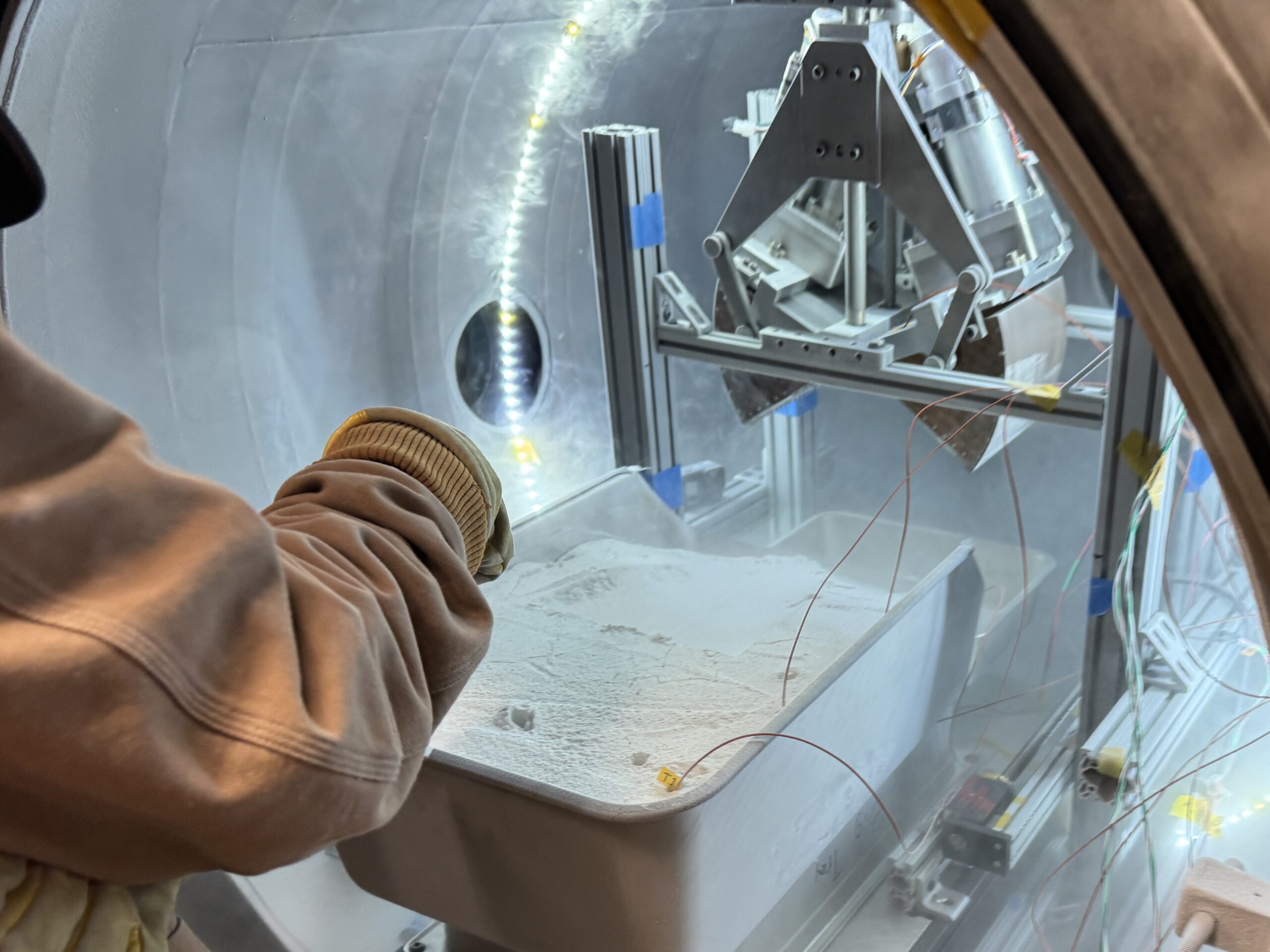
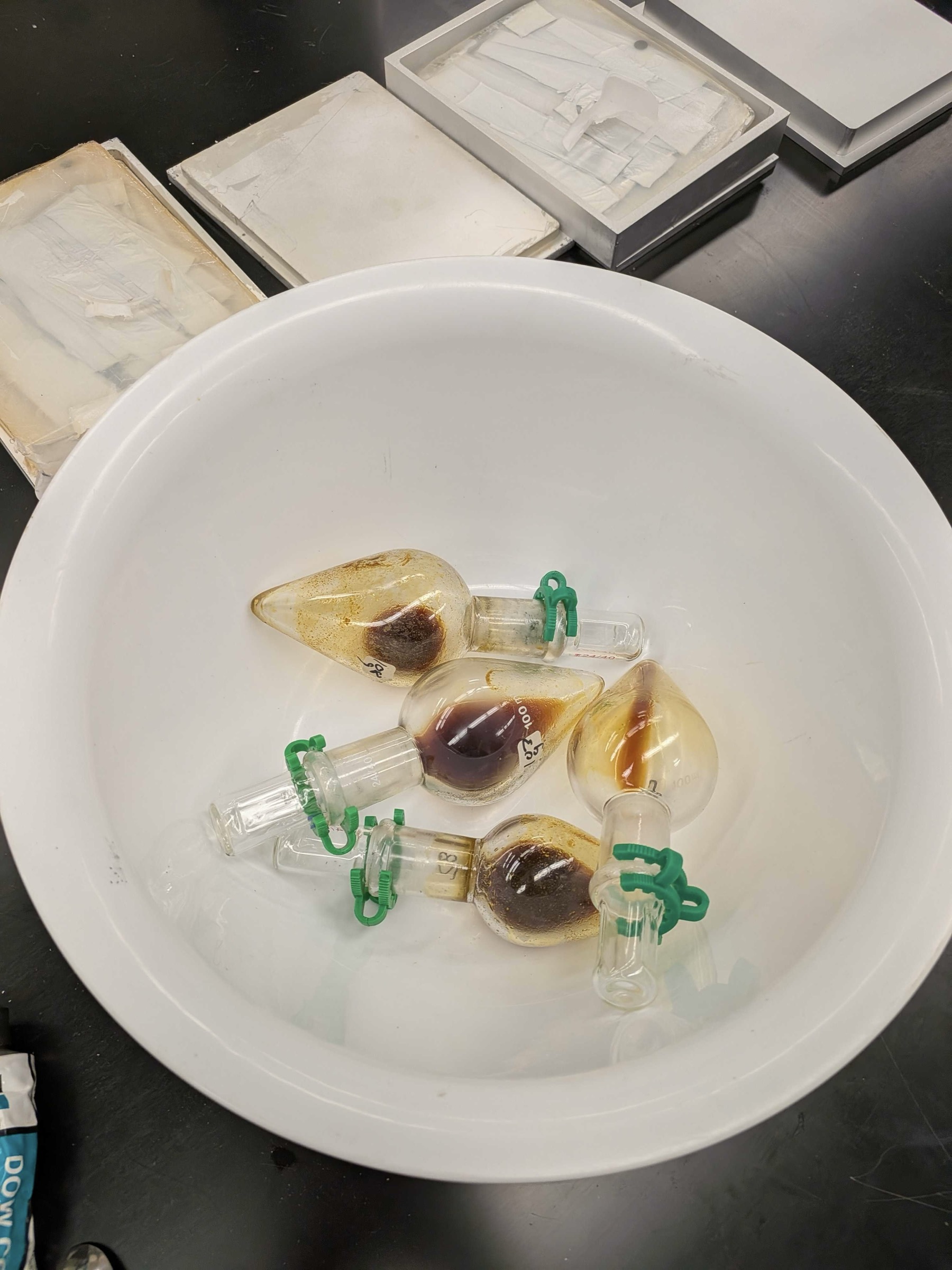
PERDEX tested excavation hardware for volatile-aware excavation
PERDEX hardware after build and testing.
14 NASA contractsSBIR/STTR work since 2021
7 NASA competition awardsChallenge and prize credibility
Multiple Phase II effortsPERDEX icy excavation, GRASP mobility, CISORT mineral separation, TRUST/CITA AI mission support
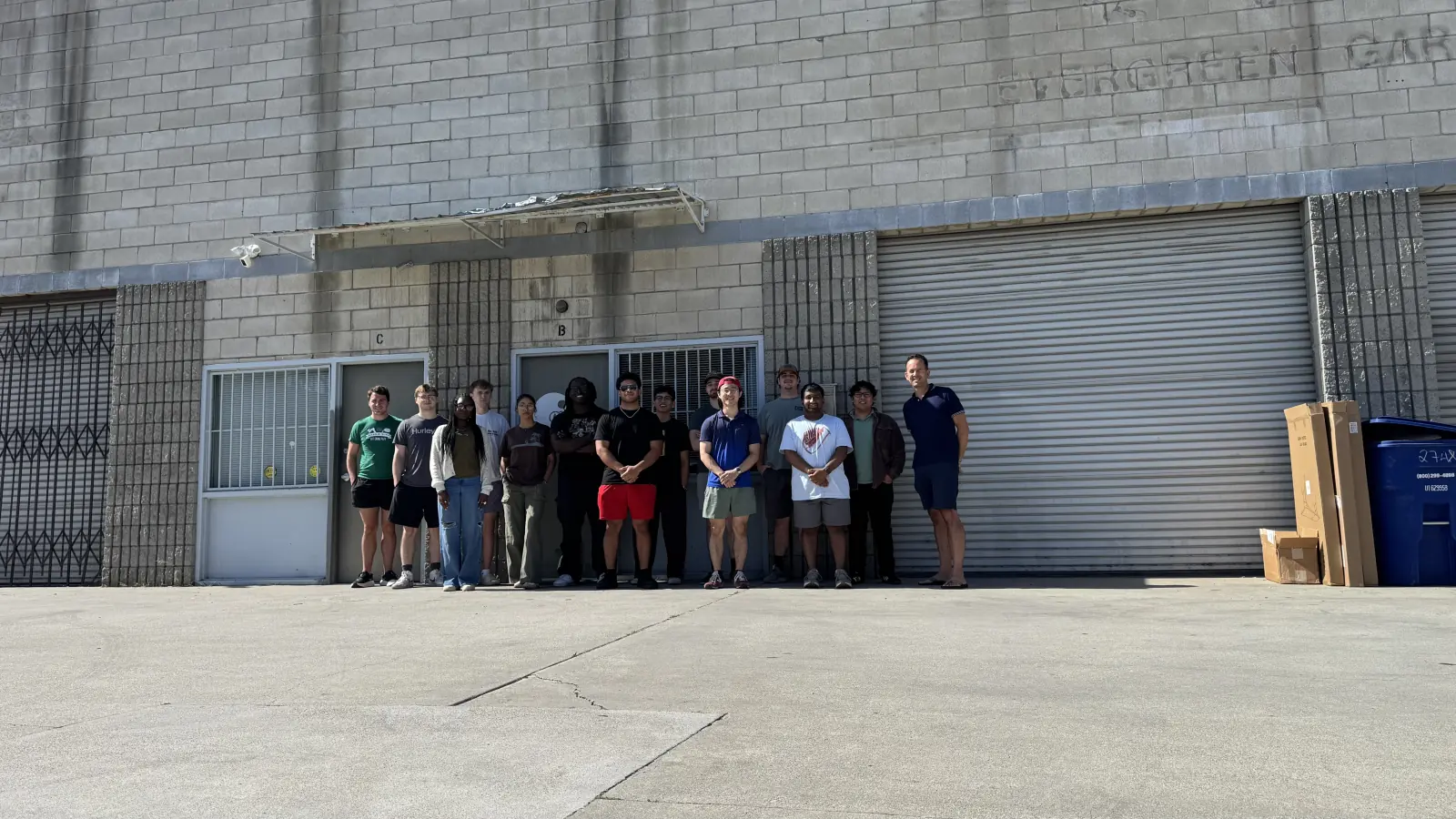
Real hardwareShop, test rigs, field logistics, simulation

Updates

Follow the work as it moves from shop tests to collaboration.

PERDEX bucket-drum testing adds fresh hardware evidence

Recent Cislune testing produced new photos and videos of excavation hardware interacting with lunar-surface analog material. The public story is simple: the hardware works, and the evidence is useful for collaboration around volatile-aware excavation and ISRU.

Visual proof

A hardware-first company, not a slide-only concept shop

PERDEX hardware alternate view for excavation and ISRU integration
PERDEX hardware from another angle.
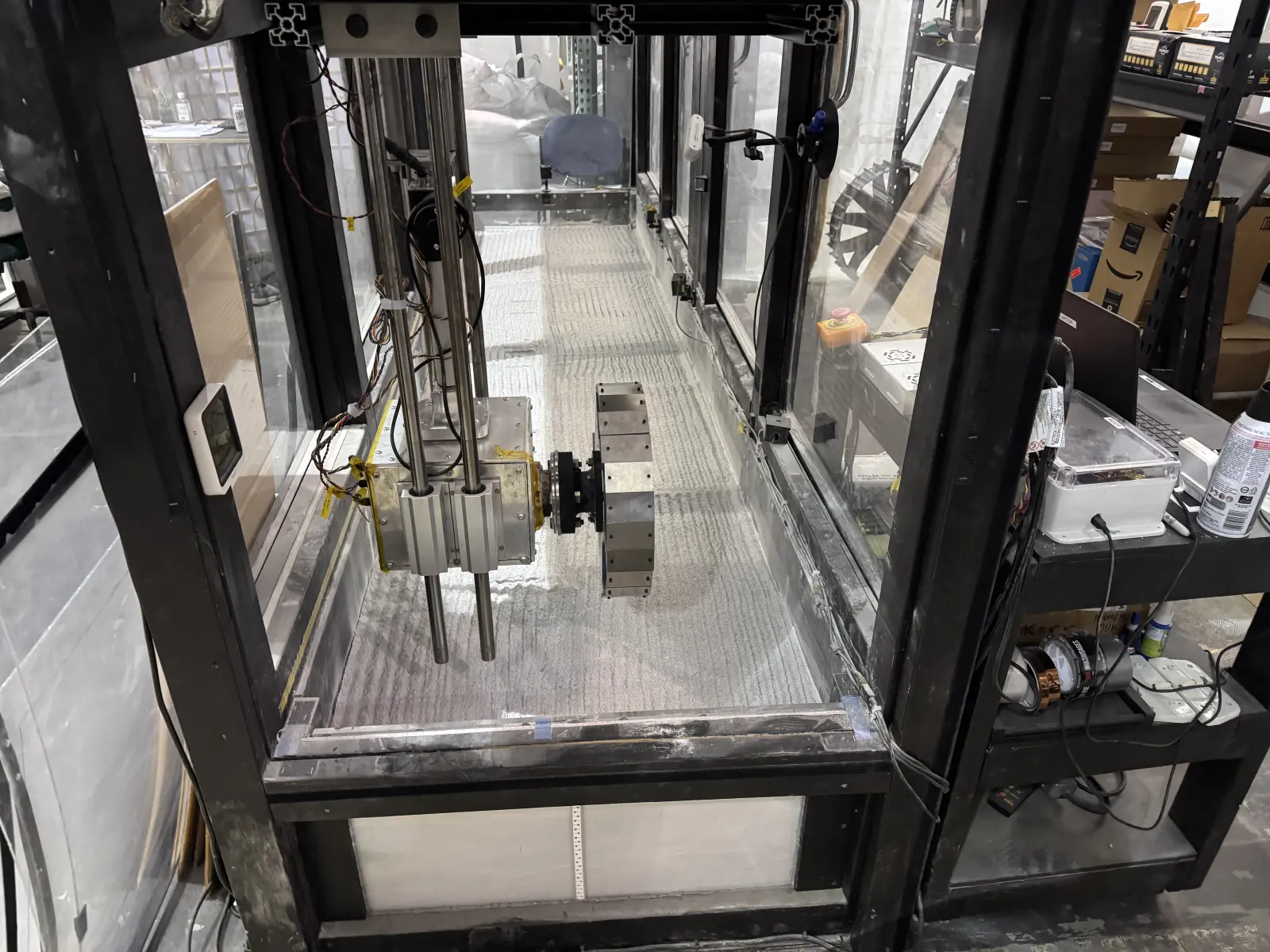
TREAD wheel-terrain interaction view for regolith mobility
Wheel-terrain testing for granular mobility.
GRASP compacting wheel view for site-preparation work
Compacting-wheel work for prepared surfaces.
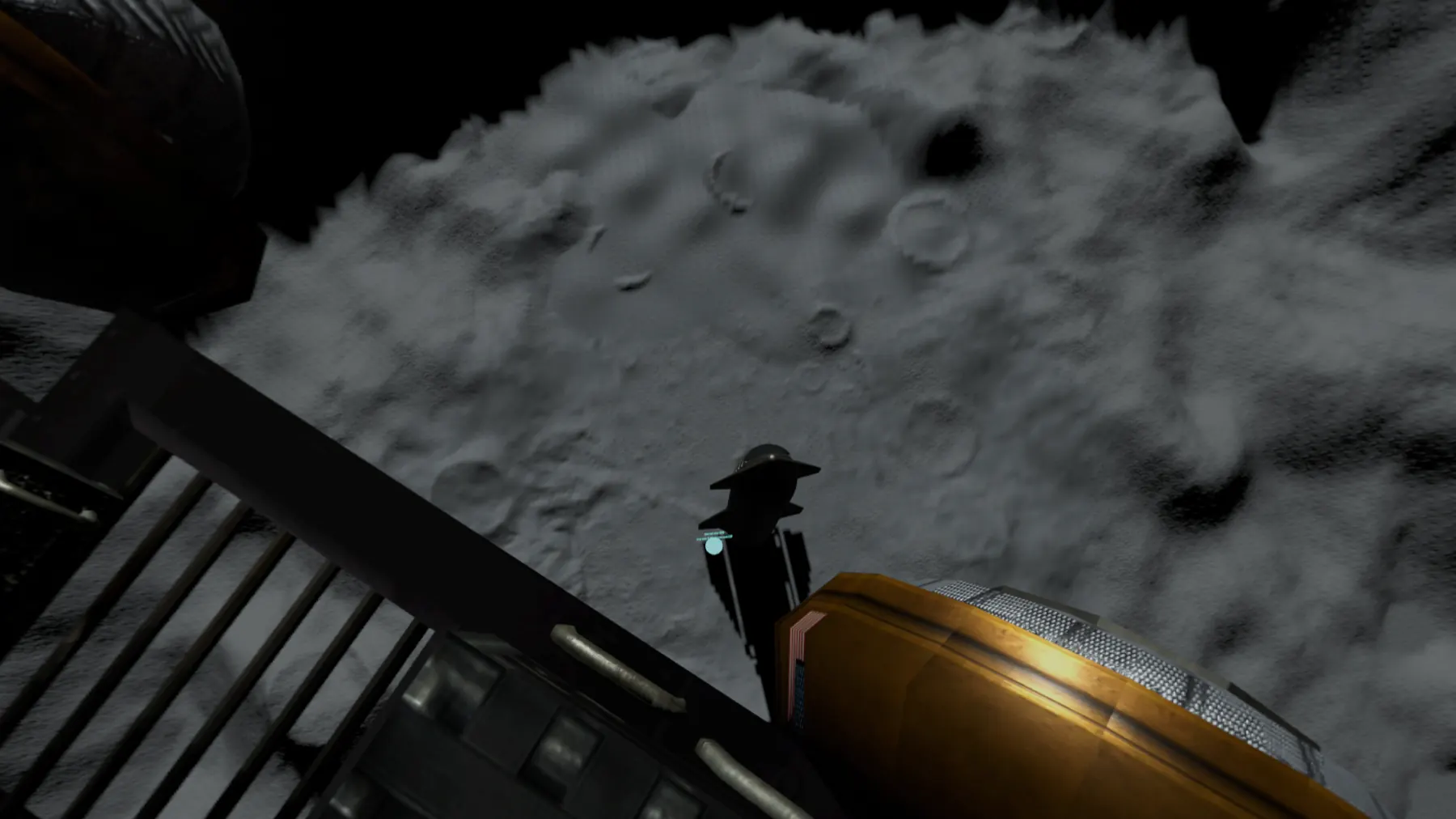
CARVE Gazebo simulation view for robotic surface operations
CARVE simulation for robotic site operations.
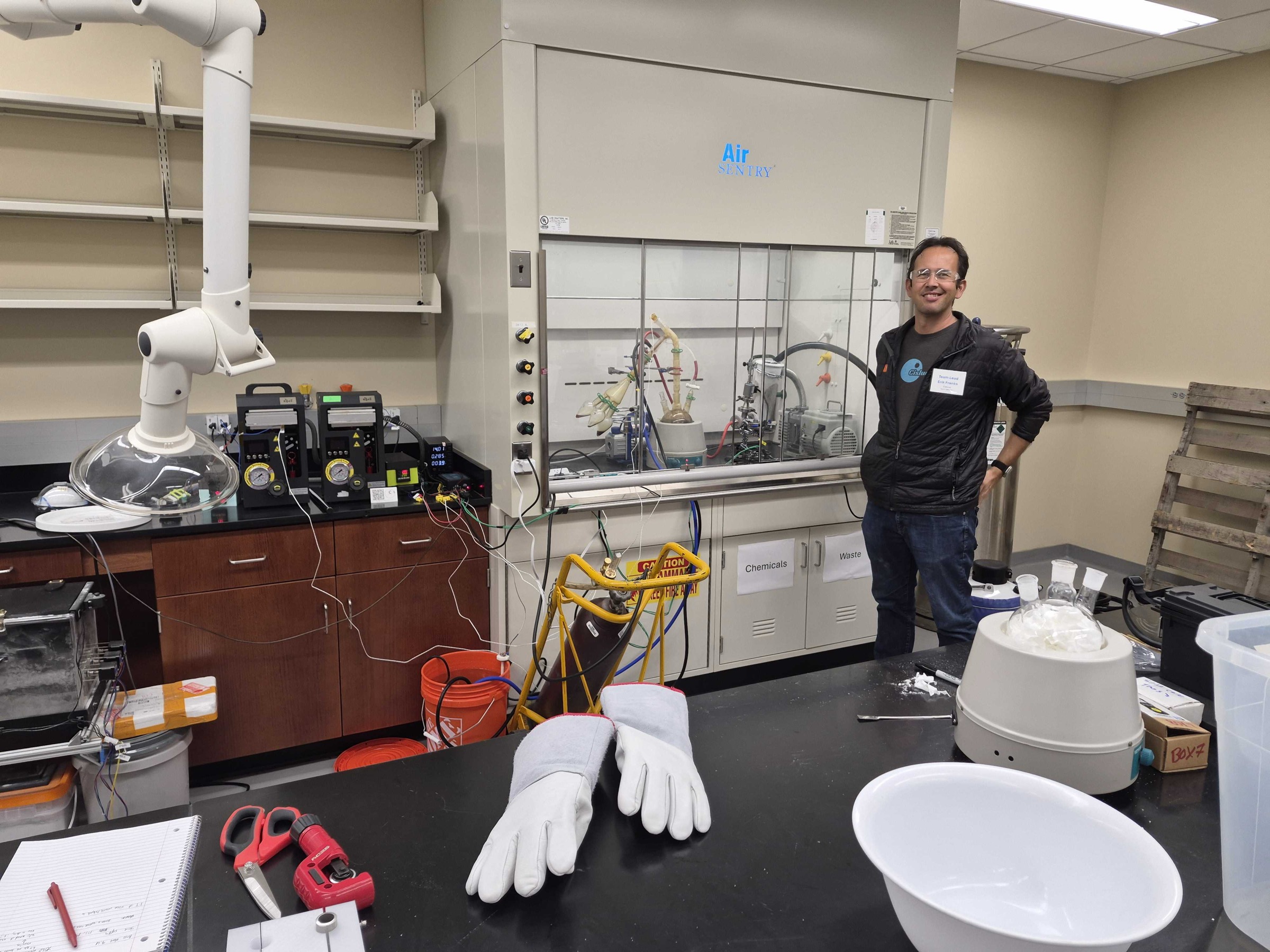
Cislune fabrication equipment detail for rapid prototype cycles
Fabrication equipment supporting rapid prototypes.
BrightDrop cargo-area view for prototype transport and field logistics
BrightDrop cargo space for prototype logistics.
Cislune furnace and thermal processing view
Thermal processing capability for materials work.
LunaRecycle alternate material-process view
LunaRecycle material-processing evidence.
Break the Ice field view for excavation and resource handling
Break the Ice field challenge operations.

The problem

On the Moon, logistics is the first engineering problem.

Every mission brings mass from Earth. The unlock is to make useful things from local material: water, oxygen, propellant, landing pads, roads, berms, construction feedstock, and operational knowledge. Cislune works where mining, construction, mobility, autonomy, and simulation meet.

What Cislune builds

A connected lunar surface stack

Volatile-aware excavation

PERDEX hardware has been built and tested successfully, advancing Cislune’s work on excavating icy regolith while reducing heating, churn, and volatile loss from cut to collection.

Sorting and beneficiation

CISORT helps turn raw regolith into useful feedstocks for resource extraction, construction, and processing.

Site preparation

GRASP, SHEARPREP, rover traction, and landing-pad work connect geotechnical sensing with practical surface preparation.

Plume-surface interaction

FLUFSCAN and landing protection work connect sensing, soil behavior, preparation, and protective infrastructure.

Simulation and trusted autonomy

SimMoon, TRUST, and CITA help teams rehearse complex lunar operations and connect autonomy with human operators.

Recycling and logistics

LunaRecycle results and BrightDrop logistics assets support terrestrial demonstrations and future surface resource handling.

Connected capabilities

From regolith interaction to mission rehearsal

The site now uses real cleared images where possible so reviewers can immediately see shop work, tested mechanisms, field logistics, simulation, and material-process evidence.

Collaboration

Build with teams that need lunar surface systems to work

Cislune works best with mission owners, primes, startups, researchers, and field teams that have a concrete surface-operations problem to solve.

  • NASA and agency mission needs
  • Prime-contractor studies, test campaigns, and integration support
  • Commercial lunar infrastructure projects
  • Commercial space surface systems and ISRU work
  • University and lab collaboration around regolith, robotics, and autonomy
  • Field demonstrations, logistics, and prototype transport

Award basis

A portfolio that makes collaboration easier

Cislune’s NASA SBIR/STTR awards since 2021 cover excavation, volatile preservation, sorting, site preparation, plume-surface interaction, autonomy, simulation, and recycling. The public website should make those pathways legible without exposing proposal details, mechanisms, data, or SBIR Rights material.

View the award map

Hardware and field evidence

Real systems, real tests, real constraints

PERDEX hardware test view for volatile-aware excavation
More PERDEX build and test evidence.
TREAD granular-material test view for mobility performance
Granular-material mobility testing.
CARVE Isaac Sim alternate view for autonomy workflow
Surface-operations simulation view.
Cislune shop floor alternate view for build and integration work
Shop floor for build and integration work.
BrightDrop exterior view supporting prototype transport
Vehicle logistics for field demonstrations.
Cislune thermal processing detail
Thermal-processing equipment detail.

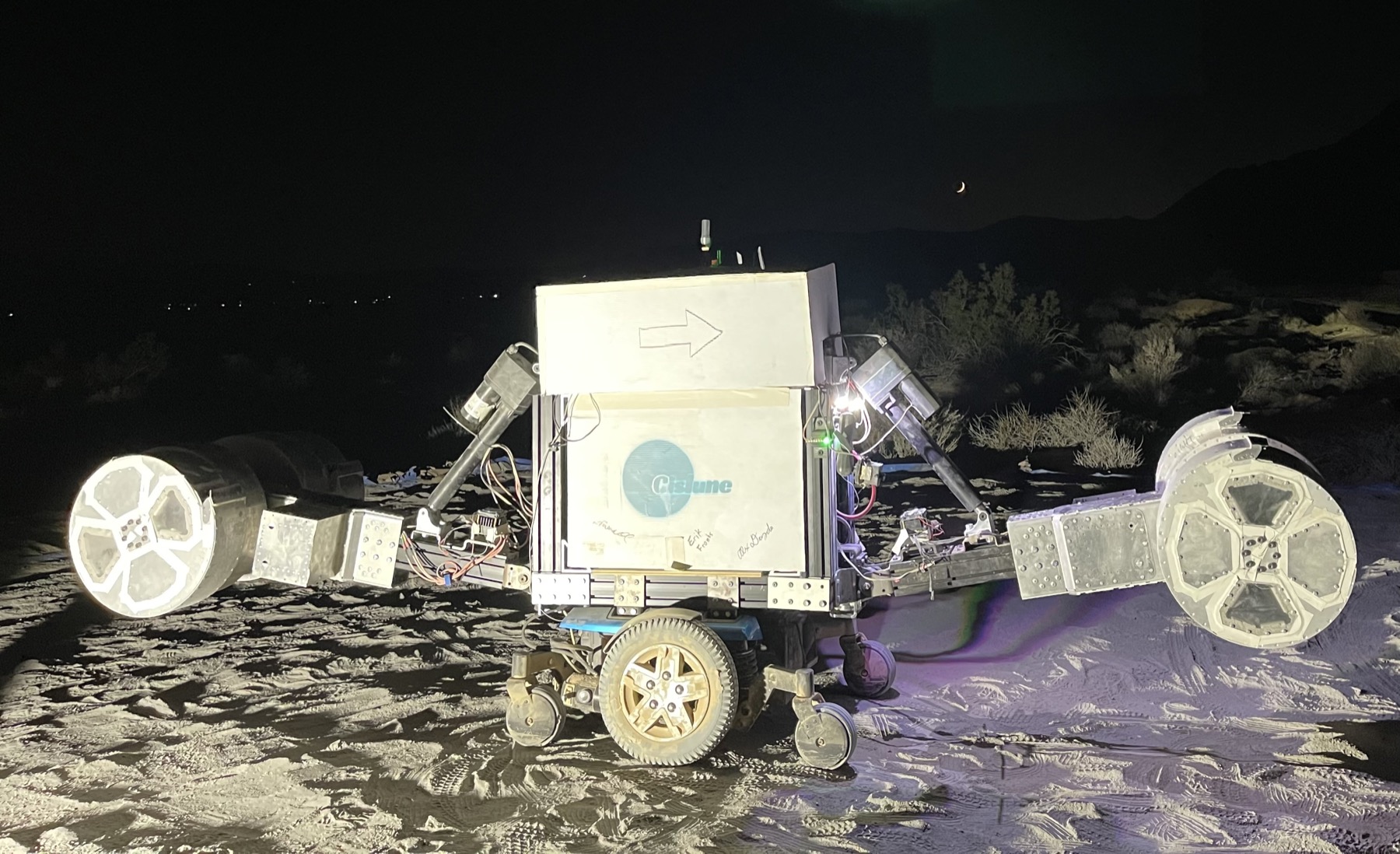
Break the Ice Lunar Challenge

A public field story worth preserving

The current site already has a Mojave Desert story and excavator update page for Cislune’s NASA Break the Ice Lunar Challenge work. The new site can keep those as background links while summarizing the key credibility: 15 days of field operations, more than 3,280 kg excavated and transported, 77 excavation-transit-delivery cycles, and 87 km driven.

Break the Ice lunar excavation and ISRU challenge hardware context
Break the Ice field work connects Cislune’s excavation heritage with today’s ISRU and field-test capabilities.

Engage

Start with the problem you need solved.

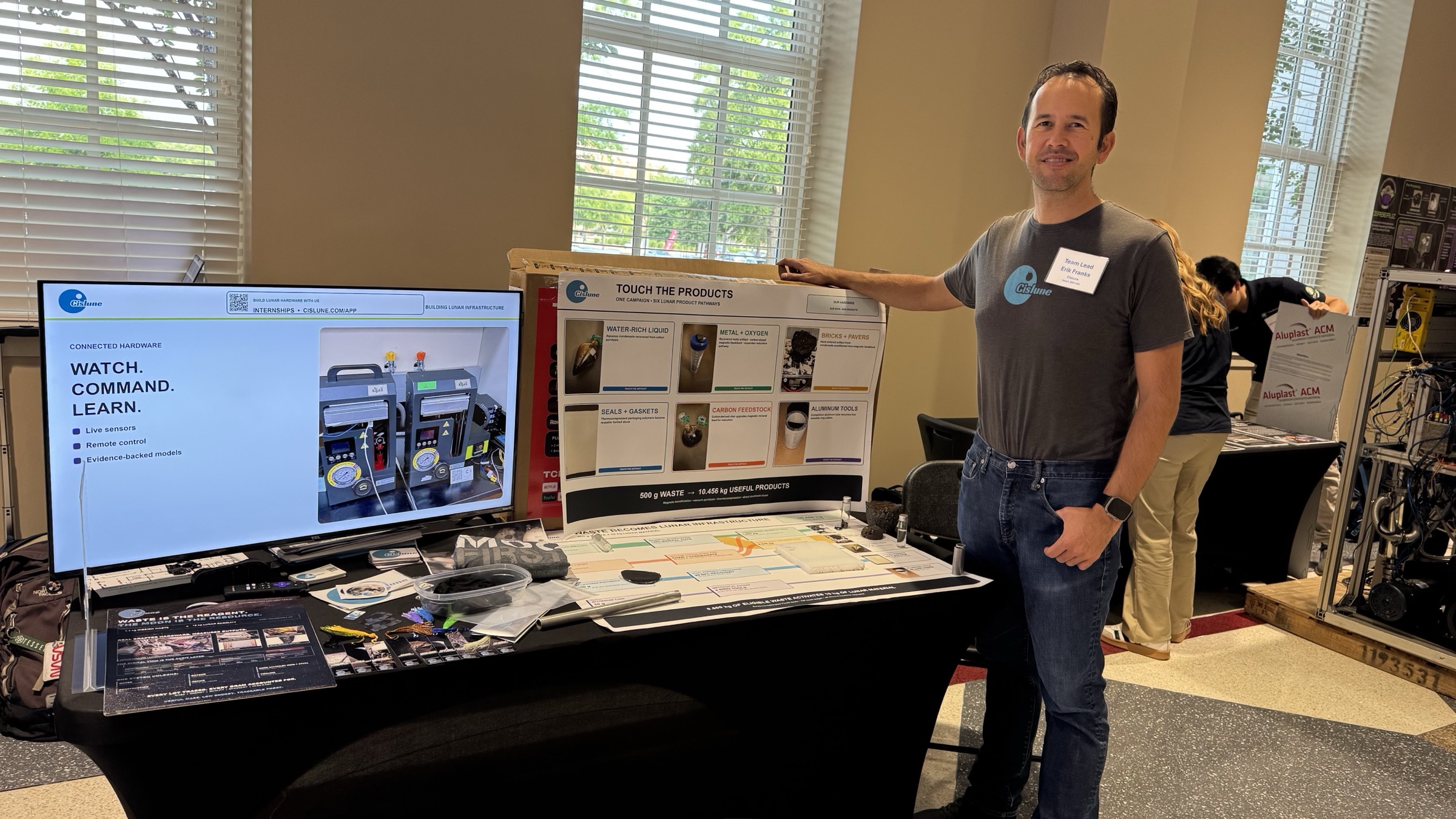
For NASA program collaboration, prime partnership, commercial space work, field test support, prototype logistics, or agency transition paths, contact Erik Franks.

erik@cislune.com